
Rwanda’s Holy Land of Marian Apparitions
In the green rolling hills of southern Rwanda lies Kibeho, a small rural town with a global spiritual reputation. Known as the “Holy Land of Africa”, Kibeho is the only place on the continent officially recognized by the Vatican for Marian apparitions. Since the early 1980s, pilgrims from around the world have flocked to this sacred destination to honor the Blessed Virgin Mary, pray for healing, and reflect on the deep messages revealed here.
Today, Kibeho has become one of the most important faith-based pilgrimage sites in Africa, drawing both believers and curious visitors. It is a place of profound history, religious devotion, and hope, where past suffering is interwoven with a vision of peace and reconciliation.
The Story of the Marian Apparitions
The story of Kibeho begins on August 28, 1981, when three schoolgirls—Alphonsine Mumureke, Nathalie Mukamazimpaka, and Marie-Claire Mukangango—claimed to have seen visions of the Virgin Mary, who introduced herself as the “Mother of the Word.”
The apparitions continued for several years, accompanied by extraordinary spiritual experiences. The Virgin Mary delivered messages calling people to prayer, repentance, love, and compassion. Among the visions were also disturbing images of rivers of blood, violence, and suffering—interpreted as warnings of what would later unfold during the 1994 genocide against the Tutsi in Rwanda, when more than 800,000 lives were lost.
The apparitions were carefully investigated by the Catholic Church for many years. In 2001, the Church officially recognized the visions of Alphonsine, Nathalie, and Marie-Claire as authentic. This made Kibeho the first and only Marian apparition site in Africa with Vatican approval, placing it in the same category as famous pilgrimage centers like Lourdes in France and Fatima in Portugal.
Why Kibeho is Called Rwanda’s “Holy Land”
Kibeho is often referred to as the Holy Land of Africa because of its spiritual significance. The town has become a sacred destination for millions of Catholics and other believers who come to connect with the Blessed Virgin Mary, seek spiritual renewal, and reflect on the messages of love, prayer, and reconciliation.
The apparitions are not only about miraculous visions but also about timeless lessons for humanity. They emphasize:
- The importance of prayer, especially the Rosary.
- The call for repentance and conversion of heart.
- Living with compassion, forgiveness, and peace.
- A reminder of the consequences of hatred and division.
For Rwandans, Kibeho has a deep emotional and national significance. It is both a place of faith and a reminder of the tragic history of the genocide. It represents the power of healing, reconciliation, and moving forward in hope.
The Shrine of Our Lady of Kibeho
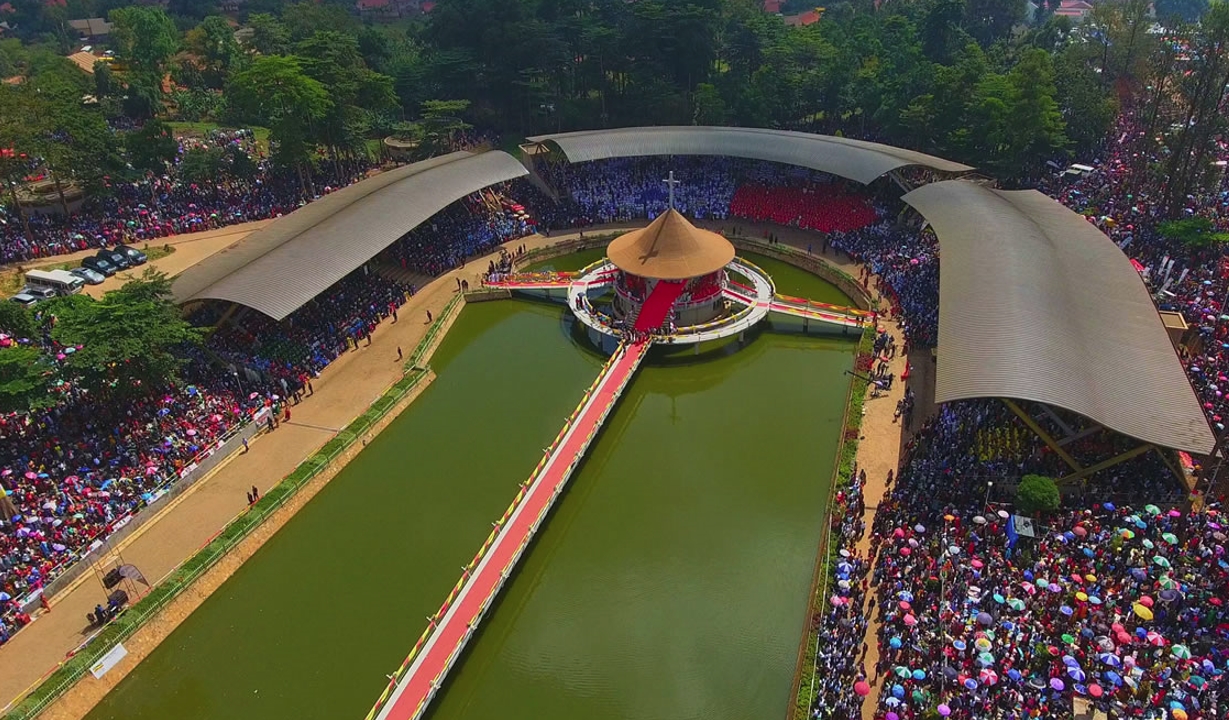
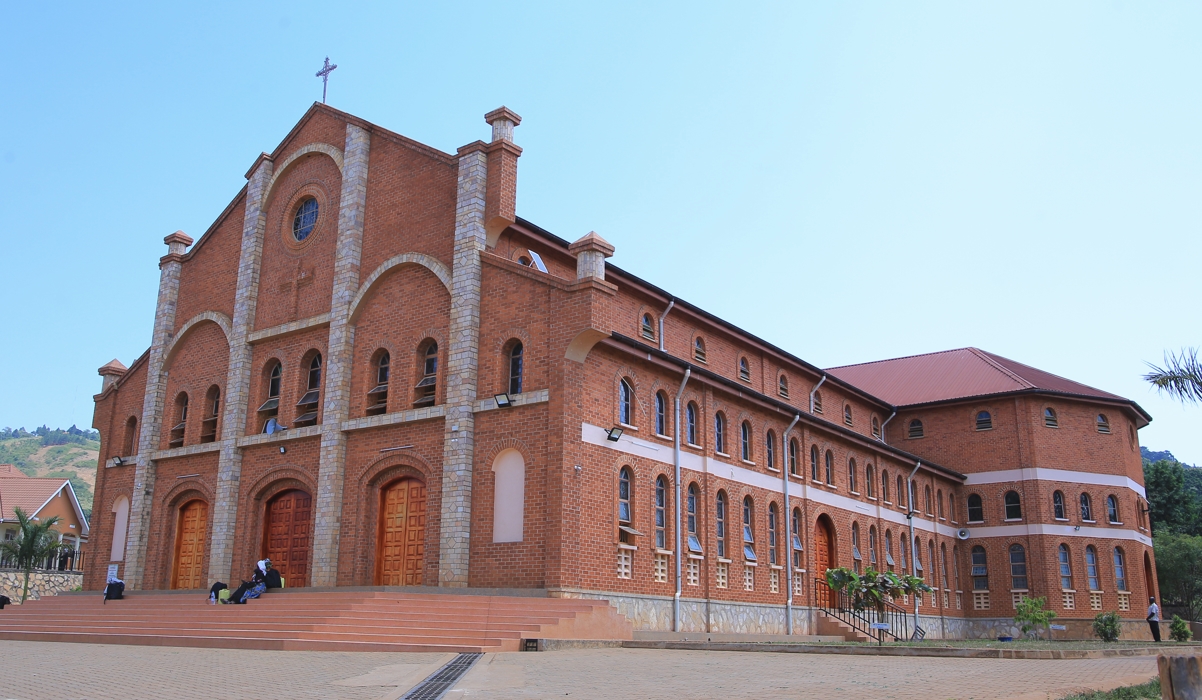
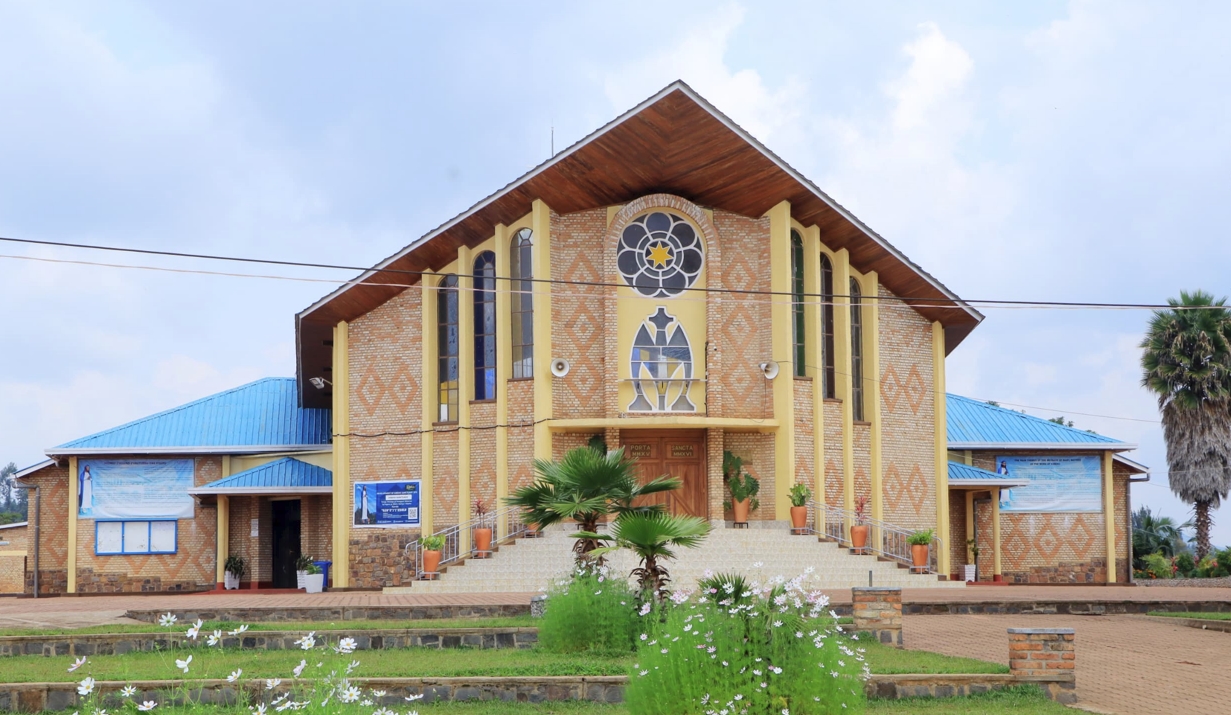
At the heart of Kibeho stands the Shrine of Our Lady of Kibeho, which has become the main center of devotion and pilgrimage. Built to honor the Marian apparitions, the shrine is a place of prayer, worship, and reflection.
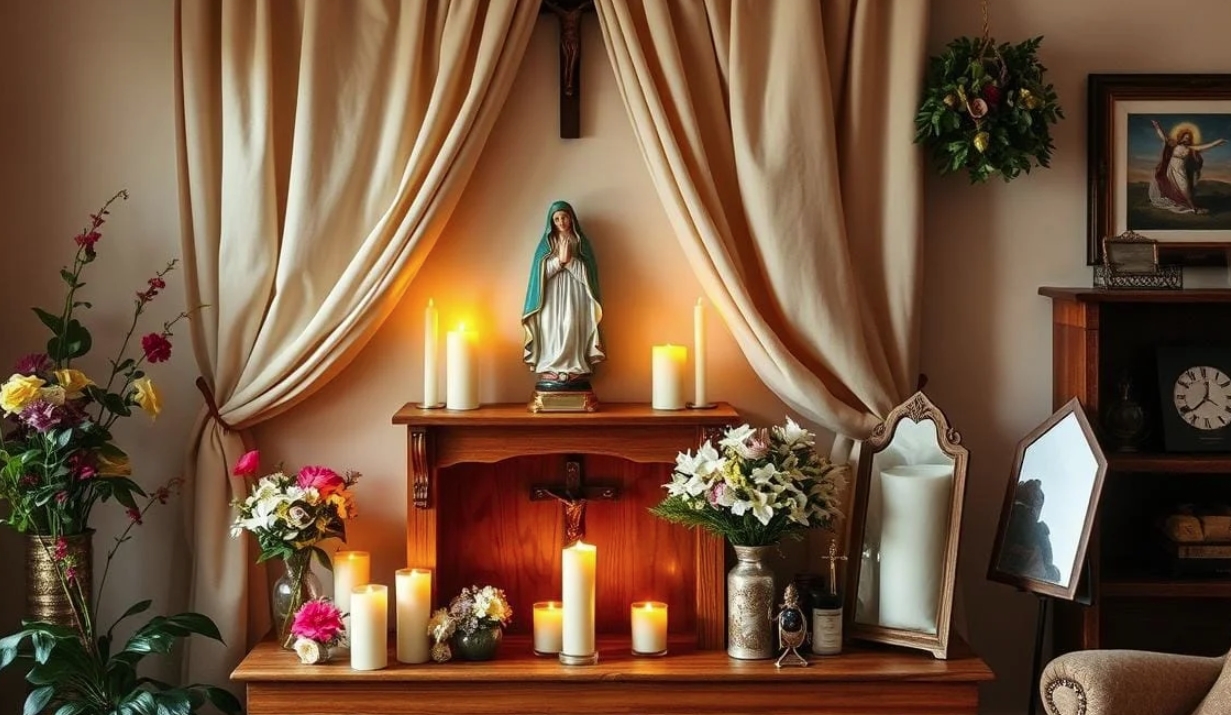
The church itself is simple yet powerful, with religious art, statues of the Virgin Mary, and sacred symbols that remind visitors of the apparitions. Outside the church, pilgrims can follow the Way of the Cross, a prayerful path with stations that allow reflection on the suffering of Christ.
Around the shrine, open spaces host large gatherings of worshippers, especially on feast days. The atmosphere during these celebrations is vibrant and emotional, with songs, prayers, and testimonies of faith filling the air.
Pilgrimage to Kibeho
Each year, thousands of pilgrims make their way to Kibeho, particularly on special feast days:
August 15 – The Feast of the Assumption of the Virgin Mary.
November 28 – Anniversary of the first apparition.
Other Marian feast days such as the Immaculate Conception and Our Lady of Sorrows.
On these days, the shrine becomes alive with worshippers from Rwanda, Uganda, the Democratic Republic of Congo, Burundi, Tanzania, and from as far away as Europe and the Americas. The pilgrimage experience includes Mass, adoration, confession, processions, and communal prayers.
Even outside the main feast days, Kibeho remains a quiet place of retreat. Many visitors come privately, in small groups, or with organized faith-based tours to experience moments of prayer, reflection, and peace.
What Pilgrims Experience
For many, a journey to Kibeho is more than a physical trip—it is a spiritual encounter. Pilgrims often describe experiencing:
- Inner peace and healing through prayer.
- A sense of closeness to the Virgin Mary.
- Deeper faith and conversion of heart.
Hope and reconciliation, especially when reflecting on Rwanda’s history. Some pilgrims also testify to physical and emotional healing after prayers at the shrine. Others come to pray for their families, health, or special intentions. Whether seeking miracles or spiritual renewal, the atmosphere of Kibeho encourages deep reflection and connection with God.
Kibeho and the Genocide Memorial
Kibeho is not only a place of Marian devotion but also one of remembrance. During the 1994 genocide, thousands of people were killed in this area, and a memorial site now stands in honor of the victims.
For visitors, this adds a deeper dimension to the pilgrimage. Walking between the shrine and the memorial highlights the contrast between the Virgin Mary’s call for love and reconciliation and the human tragedy of hatred and division. It is a reminder that the messages of Kibeho are not abstract—they are urgent and real.
Travel to Kibeho
Kibeho is located in Nyaruguru District in southern Rwanda, about 140 kilometers (87 miles) from Kigali, the capital. The journey by road takes around 3–4 hours. The drive itself is scenic, with Rwanda’s famous green hills, terraced farms, and vibrant villages offering breathtaking views along the way.
How to Get There
By Car/Private Tour: Most visitors travel with private cars, taxis, or tour operators. Organized pilgrimage tours often include transportation.
By Public Transport: Buses and minibuses operate between Kigali and nearby towns such as Butare (Huye). From there, travelers can take local transport to Kibeho.
Where to Stay
Accommodation in Kibeho itself is modest, with simple guesthouses run by the church or local communities. For more comfortable lodging, many pilgrims stay in Huye or Butare, which have hotels and guesthouses. Larger tour groups sometimes arrange to camp or stay in nearby towns.
When to Visit
While pilgrims visit throughout the year, the major feast days—especially November 28—are the most significant. These days attract huge crowds, making the experience vibrant and powerful.
For those seeking a quieter, more personal retreat, visiting outside the feast days allows more time for prayer, silence, and reflection. The shrine is open daily, and Mass is celebrated regularly.
Kibeho as a Faith and Tourism Destination
Kibeho is not only a pilgrimage site but also part of Rwanda’s growing reputation as a destination for faith-based and cultural tourism. Many visitors combine a spiritual journey to Kibeho with other attractions such as:
Nyungwe Forest National Park – famous for primate trekking, canopy walks, and rich biodiversity.
Kigali Genocide Memorial – a profound place of remembrance and education.
Lake Kivu – a scenic lake perfect for rest and relaxation.
Volcanoes National Park – home to the rare mountain gorillas, offering unforgettable trekking experiences.
This combination of faith, history, nature, and adventure makes Rwanda a unique and memorable destination.
The Message of Kibeho for Today
The apparitions of Kibeho are not just events of the past; they carry timeless lessons for today’s world. The Virgin Mary’s call to repentance, prayer, and compassion remains relevant in addressing modern challenges—conflict, hatred, selfishness, and loss of faith.
Kibeho stands as a beacon of hope, reminding people that peace and reconciliation are possible. It inspires both Rwandans and international pilgrims to embrace forgiveness, unity, and a deeper relationship with God.
Practical Travel Tips for Pilgrims
Dress modestly when visiting the shrine and church.
Carry a Rosary and prayer book to join the devotions.
Bring drinking water and snacks, especially during feast days when large crowds gather.
Respect the memorial site—silence and reflection are encouraged.
Book accommodation early if visiting during November 28 or August 15.
Kibeho is a sacred place where history, faith, and healing meet. It is a site of Marian apparitions recognized by the Vatican, a place of pilgrimage that continues to attract thousands, and a town that carries the painful memory of Rwanda’s past while offering a vision of hope for the future.
For those who visit, Kibeho offers more than just a religious journey. It is a chance to reflect on life, to connect with the Virgin Mary, and to embrace the timeless values of love, prayer, and reconciliation. Whether you come as a pilgrim seeking healing, as a traveler interested in history, or as a believer deepening your faith, Kibeho welcomes you with open arms as Rwanda’s Holy Land of Marian Apparitions.