
Namugongo Shrine A Place of Faith, History and Pilgrimage
Namugongo Shrine in Uganda is one of the most important religious sites in Africa. Located about 15 kilometers from Kampala city center, this sacred place attracts millions of visitors every year, especially during the Martyrs’ Day celebrations on June 3rd. The shrine is built in memory of the Uganda Martyrs, a group of young men who were killed for their Christian faith between 1885 and 1887. Today, it stands as a symbol of courage, faith, and unity, and it is a key destination for both religious pilgrims and tourists.
The Story of the Uganda Martyrs
The history of Namugongo Shrine dates back to the late 19th century when Uganda was under the rule of Kabaka Mwanga II, the king of Buganda. During his reign, Christianity was spreading quickly, introduced by Catholic and Anglican missionaries. However, the king felt threatened by this new faith, fearing it weakened his power and traditions.
Between 1885 and 1887, King Mwanga ordered the execution of about 45 young men who had converted to Christianity and refused to renounce their faith. Among them were both Catholics and Anglicans. The most well-known martyr is Saint Charles Lwanga, who was burned alive at Namugongo on June 3, 1886. Many others suffered the same fate, some killed by spears, others by fire.
These brave men became known as the Uganda Martyrs. Their sacrifice strengthened Christianity in Uganda, and their story spread across Africa and the world. In 1964, Pope Paul VI canonized 22 Catholic Martyrs as saints, and today, both Catholics and Anglicans honor them with great respect.
The Catholic Martyrs’ Shrine
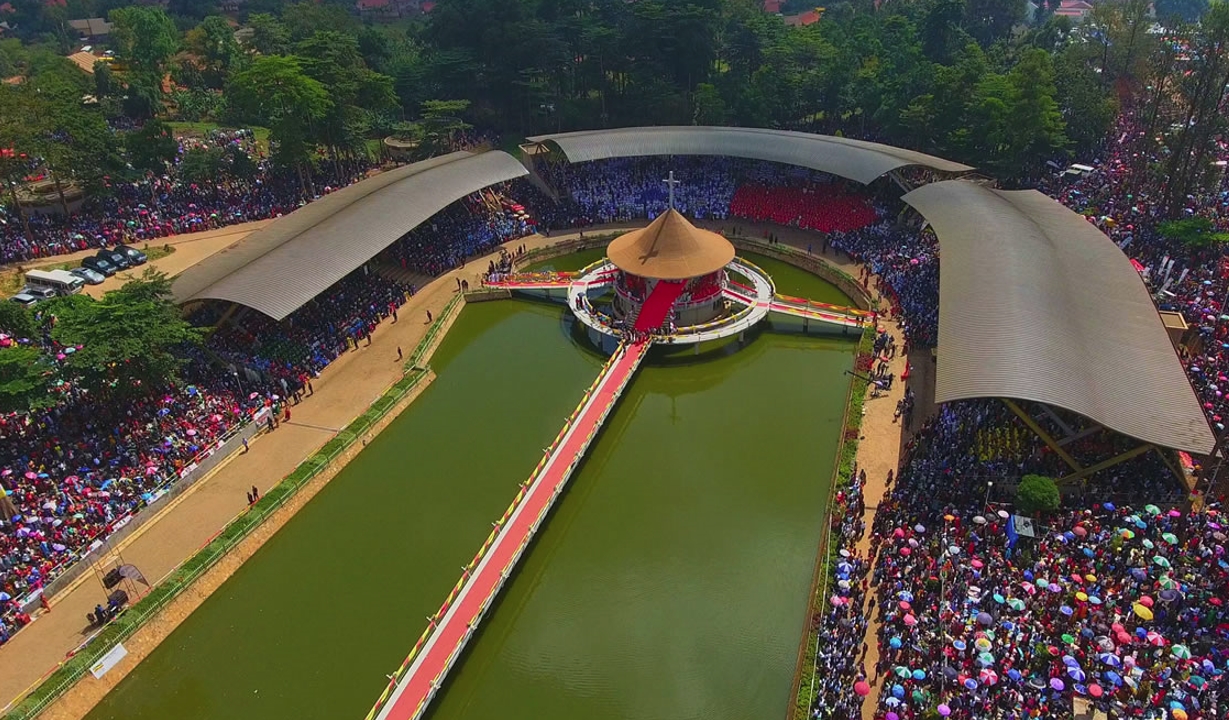
The Catholic Shrine at Namugongo is the most visited and recognized part of the site. It was built in the shape of an African hut with 22 copper pillars around it, symbolizing the 22 Catholic Martyrs. The shrine sits on the very ground where Saint Charles Lwanga and his companions were burned alive.
The interior of the shrine is simple but powerful, with space for worship and reflection. Outside, a beautiful lake surrounds the shrine, and pilgrims often fetch water from it, believing it to be holy. The entire area is designed to offer a sense of peace, prayer, and remembrance.
In 2015, Pope Francis visited the shrine during his trip to Uganda, a moment that drew global attention. The Pope prayed at the site and honored the Martyrs, further strengthening its importance as a global center of Christian pilgrimage.
The Anglican Martyrs’ Shrine
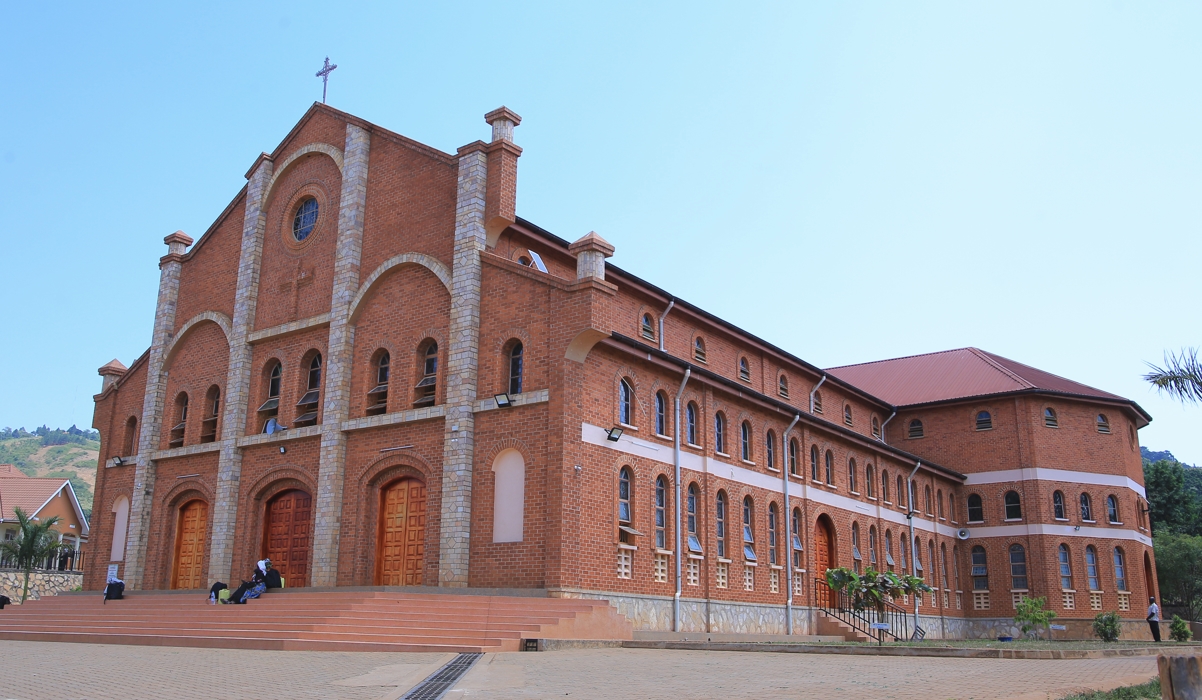
Not far from the Catholic shrine is the Anglican shrine, built to honor the Anglican converts who were also killed under King Mwanga’s orders. It stands on the very spot where some of the Anglican Martyrs were executed. The Anglican Church of Uganda holds its own Martyrs’ Day celebrations here, and thousands of believers gather to pray, sing, and remember the sacrifices of the Martyrs.
Together, the Catholic and Anglican shrines at Namugongo remind visitors that the Martyrs’ story is not just about one church but about shared faith, courage, and unity in the face of persecution.
Martyrs’ Day Celebrations
Every year on June 3rd, Namugongo becomes the center of attention for Christians from Uganda, Africa, and across the world. Martyrs’ Day is a national holiday in Uganda, and it draws over two million pilgrims. Some walk long distances, even from neighboring countries like Kenya, Tanzania, Rwanda, and the Democratic Republic of Congo, to pay their respects at the shrine.
The celebrations include prayers, processions, music, and cultural performances. For many pilgrims, the journey is not just about remembering the past but also renewing their faith and commitment. The atmosphere is filled with devotion, hope, and unity, making Martyrs’ Day one of the most powerful spiritual events in Africa.
Visiting Namugongo Shrine
Visitors to Namugongo Shrine can explore both the Catholic and Anglican shrines, walk around the peaceful grounds, and learn about the history of the Martyrs through guided tours. The site also has monuments, statues, and museums that explain the story in detail.
For tourists, Namugongo is not only a religious site but also a cultural landmark. It gives insight into Uganda’s history, traditions, and the strength of faith. The shrine is open throughout the year, but it is most vibrant during the Martyrs’ Day celebrations in June.Namugongo Shrine is more than just a religious site; it is a place of history, sacrifice, and inspiration. The Uganda Martyrs’ story reminds the world of the cost of faith and the strength of belief. Whether you are a pilgrim seeking spiritual renewal or a tourist interested in Uganda’s heritage, a visit to Namugongo Shrine offers a powerful and unforgettable experience.